

Uncategorized
10 Shocking Symptoms of Viral Fever You’re Probably Ignoring
Ever stood in your kitchen, staring at the thermometer, thinking “It’s just a fever, I’ll power through”? Yeah, that’s what 78% of adults do before ending up in urgent care within a week.
You’ve got viral fever symptoms staring you in the face, but you’re brushing them off like they’re nothing more than an inconvenience.
This isn’t just about feeling crummy for a few days. Ignoring viral fever symptoms can lead to complications that knock you flat for weeks instead of days.
Look, I get it. Life doesn’t stop for a fever. But neither does that virus multiplying in your system while you pretend everything’s fine.
The truth about these symptoms might surprise you. And trust me, number six is the one most people dismiss right before things go sideways.
Understanding Viral Fever
What is Viral Fever and How it Spreads
Ever noticed how one person gets sick at work and suddenly half the office is coughing by Friday? That’s viral fever in action.
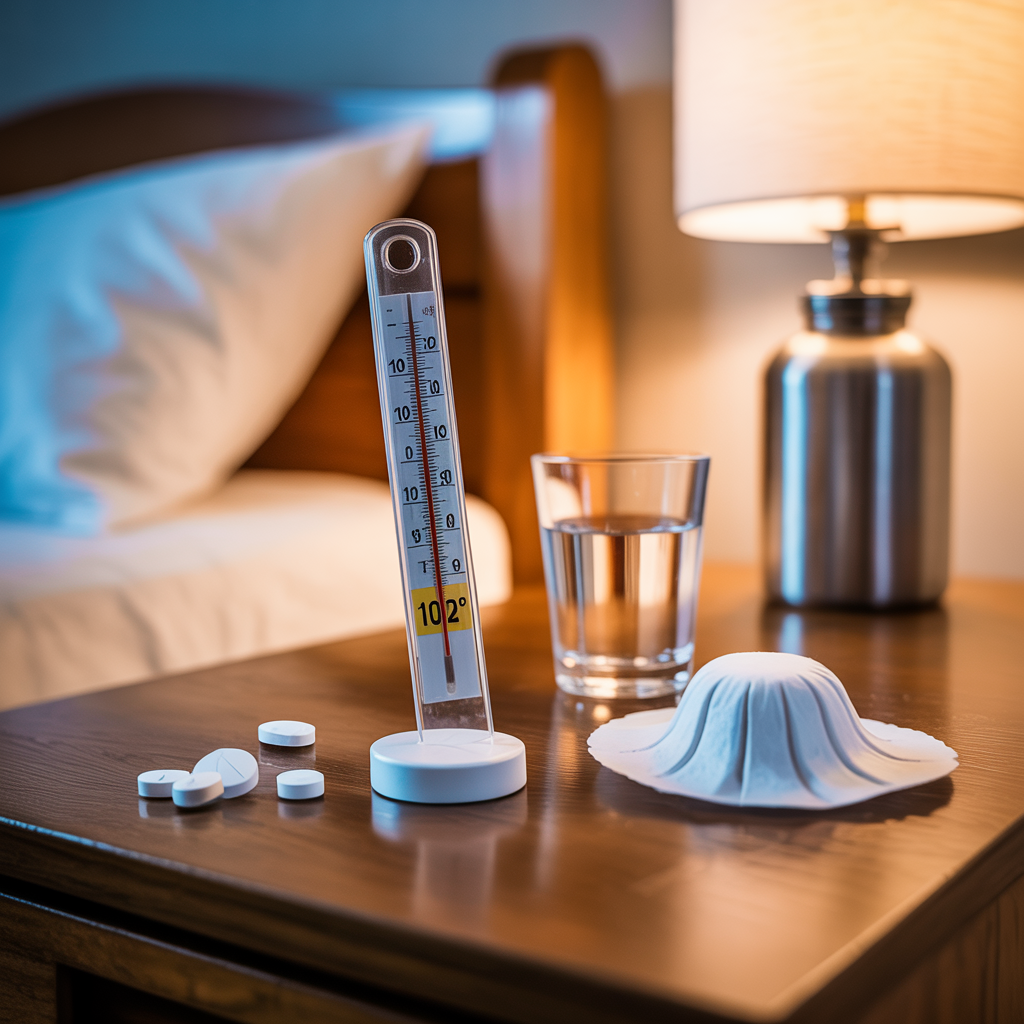
Viral fever isn’t a specific disease but rather a symptom – elevated body temperature caused by a viral infection. Unlike bacteria, viruses are tiny parasites that invade your cells and use them as factories to make more viruses. Pretty sneaky, right?
These fevers spread like wildfire through:
- Respiratory droplets when someone coughs or sneezes
- Direct contact with an infected person
- Touching contaminated surfaces then your face
- Consuming contaminated food or water
The worst part? You’re often contagious before you even know you’re sick.
Common Viruses That Cause Fever
Not all viral villains are created equal. These troublemakers are the usual suspects behind those miserable feverish days:
- Influenza viruses: The classic flu bugs that knock you flat
- Rhinoviruses: Common cold culprits that sometimes bring fever
- Dengue virus: Mosquito-transmitted and packs a serious punch
- Norovirus: The stomach flu nightmare
- Coronavirus: Including the infamous COVID-19
- Adenovirus: Masters of disguise causing respiratory and stomach issues
Seasonal Patterns of Viral Outbreaks
Viruses have preferred seasons, just like we have favorite weather.
Summer brings enteroviruses and mosquito-borne illnesses. Fall kicks off respiratory virus season. Winter is prime time for flu and cold viruses when we’re all huddled indoors. Spring tends to bring relief with decreasing cases.
Climate change is shaking things up though. Viral seasons are becoming less predictable, with outbreaks happening outside their usual timeframes.
Difference Between Viral Fever and Bacterial Infections
Confused about what’s making you sick? You’re not alone.
| Feature | Viral Fever | Bacterial Infection |
|---|---|---|
| Onset | Gradual | Often sudden |
| Duration | Usually 3-7 days | Can persist longer without treatment |
| Symptoms | Tends to affect whole body | Often more localized |
| Response to antibiotics | None – antibiotics don’t work | Responds to appropriate antibiotics |
| Discharge | Clear or watery | Often thick and colored (yellow/green) |
| Treatment | Symptom management | Antibiotics plus symptom relief |
The biggest mistake people make? Taking antibiotics for viral infections. Not only won’t they help, but they might contribute to antibiotic resistance – a growing global health threat.
Recognizing the Symptoms
Early Warning Signs to Watch For
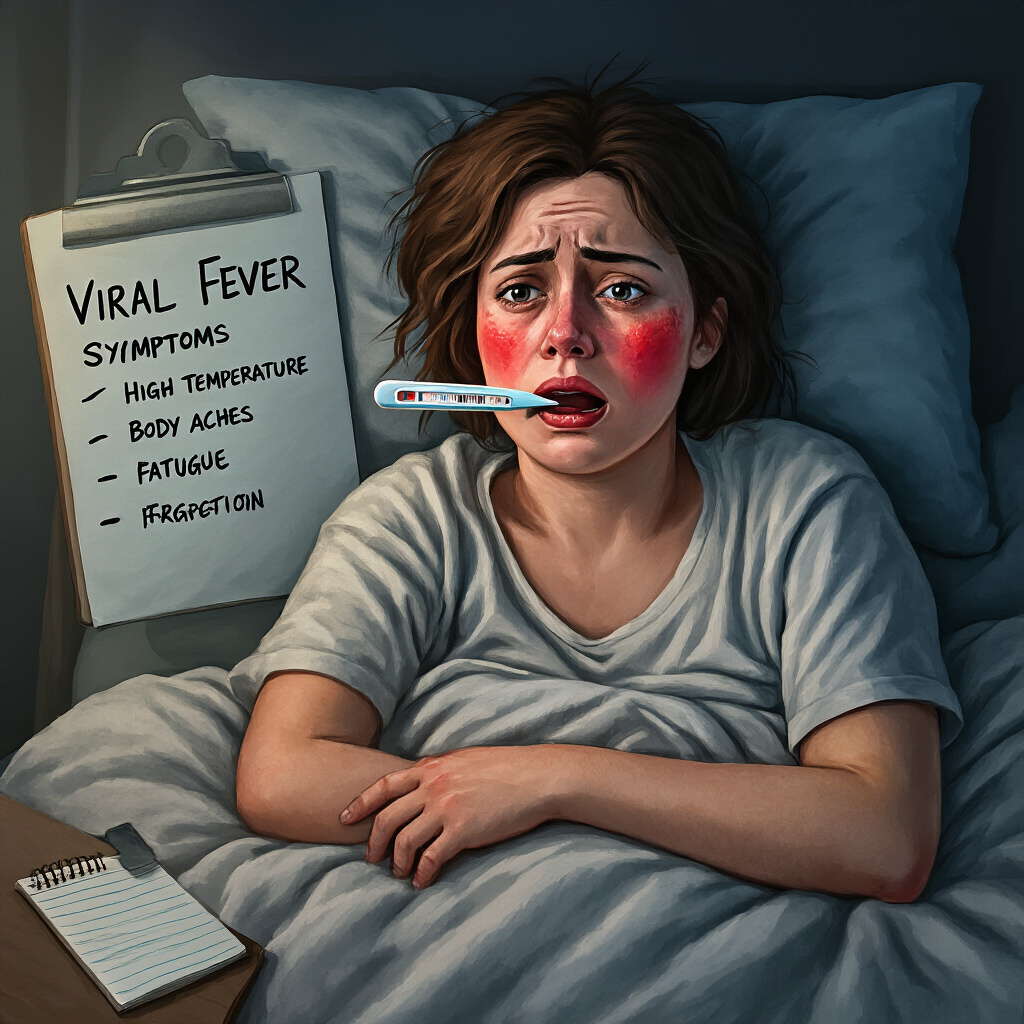
You know that weird feeling when something’s just “off” with your body? That’s often your first clue of viral fever.
Most people miss those subtle signals their body sends 24-48 hours before full-blown symptoms kick in. Pay attention to sudden fatigue that coffee can’t fix. Notice that mild headache that won’t quit? Or that slight scratchiness in your throat? These aren’t random – they’re your body raising red flags.
Another overlooked sign is appetite loss. If your favorite foods suddenly seem unappealing, your body might be redirecting energy to fight infection.
Many folks also experience mild muscle aches or a slight sensitivity to light before other symptoms appear. And that random chilliness in a warm room? Classic early viral sign.
Common Symptoms of Viral Fever
Once viral fever takes hold, it announces itself loud and clear:
- High temperature: Usually between 101°F-103°F (38.3°C-39.4°C)
- Body aches: Not just soreness, but deep muscle pain
- Chills and sweating: Often alternating in cycles
- Headaches: Typically more intense than usual
- Fatigue: The kind where even getting out of bed feels impossible
What many don’t realize is that viral fevers often follow patterns. Some spike at night and break by morning. Others maintain a constant burn. These patterns can help identify what virus you’re dealing with.
When Symptoms Indicate Complications
Not all viral fevers resolve smoothly. Watch for these danger signals:
A fever that exceeds 103°F (39.4°C) or lasts more than three days needs medical attention. Immediately.
Severe headaches with neck stiffness? Could signal meningitis. Difficulty breathing or chest pain might indicate the infection has reached your lungs.
Persistent vomiting, severe abdominal pain, or inability to keep fluids down leads to dehydration – a serious complication. And any rash that appears during fever, especially one that doesn’t blanch when pressed, requires urgent medical care.
Confusion or extreme lethargy aren’t just exhaustion – they’re warning signs of potential neurological involvement.
How Symptoms Vary in Different Age Groups
The same virus can look completely different depending on age:
Infants and Toddlers
- May not develop high fevers
- Often show irritability instead of verbalized complaints
- Might refuse to eat or drink
- Can become lethargic suddenly
Children
- Typically develop higher fevers than adults
- May experience more gastrointestinal symptoms
- Often show dramatic energy fluctuations
- Might develop febrile seizures (usually harmless but scary)
Adults
- Generally experience more intense muscle aches
- Often have more respiratory symptoms
- May note significant fatigue lasting days
- Usually more aware of subtle symptoms
Elderly
- Might not develop fever at all
- Often present with confusion first
- More likely to experience dangerous dehydration
- Higher risk of secondary infections
Distinguishing Viral Fever from Other Illnesses
Viral vs. bacterial – knowing the difference saves you unnecessary antibiotics and worry.
Viral fevers typically build gradually and come with respiratory symptoms. Bacterial infections often hit suddenly with more localized symptoms.
This quick comparison helps:
| Feature | Viral Fever | Bacterial Infection | Allergic Reaction |
|---|---|---|---|
| Onset | Gradual | Sudden | Very rapid |
| Fever pattern | Fluctuating | High and sustained | Rarely present |
| Response to antipyretics | Temporary relief | Partial improvement | N/A |
| Nasal discharge | Clear, thin | Thick, colored | Clear, watery |
| Duration | 3-7 days typically | Persists without antibiotics | Continues with exposure |
| Lymph nodes | Mildly swollen | Often markedly enlarged | Not typically affected |
Also note that viral fevers rarely cause extremely high temperatures above 104°F (40°C) without other concerning symptoms, while some bacterial infections can.
Effective Home Remedies and Management

Hydration Strategies That Work
Staying hydrated when you’re battling viral fever isn’t just good advice—it’s absolutely critical. Your body loses fluids faster when you’re running a temperature, and dehydration can make everything worse.
Try this approach: Keep a large water bottle by your bed and aim to finish it every few hours. Not a fan of plain water? Coconut water works wonders and replaces those electrolytes you’re sweating out. Homemade ORS (one teaspoon salt, six teaspoons sugar in a liter of water) is dirt cheap and surprisingly effective.
Most people don’t realize that ice pops aren’t just for kids—they’re perfect when you have zero appetite but need fluids. And warm broths? They’re basically hydration with benefits.
Rest and Recovery Techniques
Your body is fighting a war against that virus, and rest is its most powerful weapon.
Create a recovery zone in your home—a quiet space with minimal stimulation. Your phone is the enemy right now. The blue light and constant notifications actually stress your immune system when it needs to focus on healing.
Sleep in shorter, more frequent chunks if nighttime sleep is difficult. And try this trick: slightly elevate your head with an extra pillow to ease congestion and help you breathe better while sleeping.
Over-the-Counter Medications for Symptom Relief
The pharmacy aisle can be overwhelming when you’re already feeling terrible. Here’s what actually works:
For fever and body aches, acetaminophen (Tylenol) tends to be gentler on your stomach than ibuprofen, but ibuprofen often works better for inflammation.
Be smart about cold medicines. Many contain multiple ingredients you don’t need. Instead of combo products, target specific symptoms:
- Runny nose? Try an antihistamine.
- Chest congestion? Look for something with just guaifenesin.
- Cough keeping you awake? A single-ingredient dextromethorphan product for nighttime use works better than the kitchen sink approach.
Remember: these medications don’t fight the virus—they just make you more comfortable while your immune system does the heavy lifting.
Nutritional Support During Illness
Your appetite disappears when you’re sick, but your body needs fuel to fight infection.
Small, nutrient-dense foods work best. Think beyond boring toast. Try:
- Warm oatmeal with a spoonful of honey (bonus: honey helps soothe coughs)
- Smoothies with hidden spinach and protein powder
- Eggs—they’re easy to digest and packed with protein
- Homemade chicken soup (grandma was right all along)
Ginger tea with lemon and honey isn’t just comforting—it’s a triple threat against nausea, inflammation, and throat pain.
Skip dairy when you have congestion—it often makes mucus thicker and more uncomfortable. And temporarily avoid alcohol and caffeine since they can worsen dehydration when you’re already fighting for fluids.
Medical Treatments and When to Seek Help

When to Consult a Doctor Immediately
Feeling under the weather is one thing. But sometimes that “just a bug” is actually waving red flags you shouldn’t ignore.
Rush to the doctor if your fever hits 103°F (39.4°C) or higher. This isn’t your garden-variety temp spike.
Got a rash with that fever? Don’t wait around. Some viral infections like measles or chicken pox need immediate attention, especially if the rash is spreading fast or looks unusual.
Breathing trouble is never normal. If you’re struggling to catch your breath alongside fever symptoms, that’s your body screaming for help.
Severe headaches that won’t quit, especially with neck stiffness? This could signal meningitis – absolutely not something to “sleep off.”
And if you’re confused, extremely drowsy, or having seizures? Drop everything and get emergency care now.
Available Antiviral Medications
Contrary to popular belief, antibiotics do absolutely nothing for viral infections. Zero. Zilch. Nada.
For influenza, medications like oseltamivir (Tamiflu) and zanamivir (Relenza) can help, but only if started within 48 hours of your first sniffle.
Here’s what works for common viral infections:
| Virus | Medications | Timing Matters? |
|---|---|---|
| Influenza | Tamiflu, Relenza, Xofluza | Yes – within 48 hours |
| Herpes | Acyclovir, Valacyclovir | Yes – earlier is better |
| HIV | Multiple antiretrovirals | Immediate treatment recommended |
| Hepatitis C | Direct-acting antivirals | Works at various stages |
Treatment Approaches for Different Viral Infections
The common cold? Sorry to break it to you, but there’s no magic pill. Treatment focuses on managing symptoms while your immune system does the heavy lifting.
For influenza, those antivirals I mentioned can shorten your misery by 1-2 days. Not a miracle, but when you’re feeling like death warmed over, you’ll take what you can get.
Viral gastroenteritis (stomach flu) needs hydration above all else. Small sips of clear fluids can prevent the dehydration that lands people in the hospital.
Respiratory syncytial virus (RSV) usually needs supportive care – think humidifiers, saline drops, and suctioning for babies.
Dengue fever requires close monitoring of platelet counts and aggressive hydration to prevent shock.
Managing Complications
Complications happen when viral infections go rogue. Secondary bacterial infections are common – your already-struggling immune system gets ambushed by opportunistic bacteria. This is when antibiotics actually make sense.
Pneumonia is a serious complication that might require hospitalization, especially for the elderly or those with weakened immune systems.
Dehydration can sneak up on you fast. If you can’t keep fluids down for 24 hours, or notice dark urine and extreme thirst, you need medical help.
For kids with viral infections, febrile seizures can be terrifying but rarely cause lasting harm. Still, the first one warrants a doctor visit.
Long-term fatigue following viral infections isn’t “all in your head.” Post-viral syndrome is real and may require specialized support for recovery.
Prevention Strategies

A. Hygiene Practices That Reduce Transmission
Ever noticed how one person gets sick, then suddenly the whole house is sniffling? Viral fevers spread like wildfire. Your best defense? Wash those hands—seriously. Not a quick rinse, but a proper 20-second scrub with soap. Think “Happy Birthday” sung twice.
Don’t touch your face! The average person touches their face 23 times an hour. That’s 23 opportunities for viruses to party in your system.
Masks aren’t just pandemic fashion. They actually work when someone in your home is coughing up a storm.
And that colleague who’s proudly “powering through” their illness at the next desk? Stay away. Like, actually create distance. Their dedication isn’t worth your week in bed.
B. Boosting Your Immune System Naturally
Your immune system needs more than just vitamin C packets when you’re already sick.
Sleep is your secret weapon. Most adults need 7-9 hours, but nearly 40% of us don’t get enough. Your body fights infections during deep sleep cycles.
What you eat matters too:
| Immune Boosters | Why They Work |
|---|---|
| Garlic | Contains allicin – natural antimicrobial |
| Yogurt | Probiotics support gut health |
| Leafy greens | Provide essential vitamins and antioxidants |
| Turmeric | Powerful anti-inflammatory properties |
Chronic stress tanks your immunity faster than you’d think. Even 15 minutes of daily meditation can make a difference.
C. Vaccination Options for Common Viral Infections
The flu shot isn’t perfect, but it reduces your risk by 40-60% in most seasons. That’s the difference between a miserable week in bed and maybe not getting sick at all.
Many adults think vaccines are just for kids. Wrong. Your immunity to childhood vaccines can wear off. Check if you need boosters for:
- Hepatitis A and B
- Pneumonia
- Shingles (especially if you’re over 50)
Traveling soon? Different regions have different viral threats. Some countries require proof of vaccines before you can even step off the plane.
D. Creating a Healthy Home Environment
Your home should be your safe haven, not a viral breeding ground.
Those door handles, light switches, and remote controls? They’re germ playgrounds. Disinfect high-touch surfaces regularly.
Indoor air quality matters more than you think. Replace your HVAC filters every 1-3 months. Consider a humidifier in dry months—viruses thrive in dry air.
That towel you’ve been using all week? Wash it. Damp items are bacterial heaven.
E. Community Measures During Outbreaks
When viral outbreaks hit your community, individual actions add up.
If schools or workplaces report increasing illness, take it seriously. Sometimes staying home isn’t being dramatic—it’s being responsible.
Check reliable sources for local health advisories. Social media panic isn’t your friend during outbreaks.
Community vaccination efforts work through “herd immunity”—when enough people are protected, it shields even the vulnerable who can’t be vaccinated.
During peak season, maybe skip that crowded indoor concert. I know, not fun advice, but neither is spreading a virus to everyone you care about.

The often-overlooked symptoms of viral fever can have serious implications if left untreated. From persistent headaches and unexplained fatigue to unusual rashes and digestive issues, recognizing these warning signs early is crucial. Remember that proper home management through rest, hydration, and over-the-counter medications can significantly reduce discomfort and recovery time for mild cases.
Don’t hesitate to seek medical attention if symptoms worsen or persist beyond a few days. While viral fevers are common, prevention remains your best defense—maintain good hygiene practices, ensure proper nutrition, and consider seasonal vaccinations when appropriate. Your health deserves attention, and recognizing these subtle symptoms could make all the difference in your recovery journey.


Leave a reply